
The kitchen of today is much more than a space to prepare meals. It has become the centerpiece of modern homes, a place for family interaction, and a critical design element that defines comfort and efficiency. In recent years, the Steel Kitchen has emerged as a preferred choice among homeowners who want a combination of durability, hygiene, and contemporary style.
This evolution reflects the growing demand for kitchen solutions that are reliable, low maintenance, and visually appealing. Inspired by professional environments such as restaurants and commercial food spaces, a steel kitchen brings the best of industrial strength into residential living.
The concept of steel kitchens may initially sound utilitarian, but advances in design and manufacturing have made it possible to create kitchens that are both robust and elegant. Brands like Amedeo have played a significant role in this transformation by offering premium steel kitchen solutions that merge craftsmanship with smart functionality.
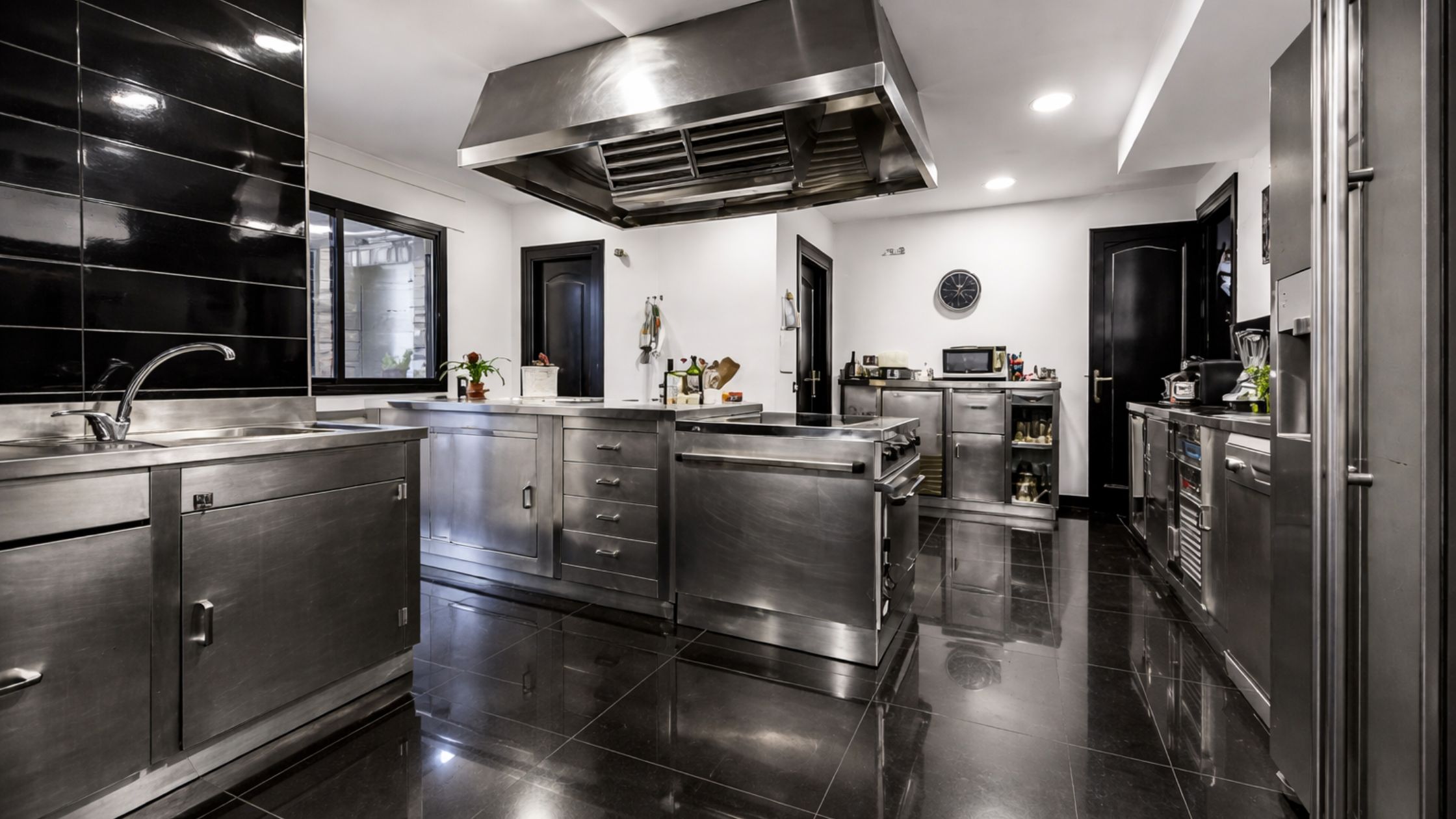
A Steel Kitchen refers to kitchen systems — including cabinets, countertops, and storage units — made predominantly of high-grade steel materials. These kitchens leverage the strength and resilience of steel while incorporating modern design aesthetics that suit residential interiors.
In contrast to traditional wood or plywood kitchens, which are susceptible to moisture, termite damage, and wear over time, steel kitchens promise enduring performance. Steel is naturally resistant to rust, corrosion, and high temperatures. It does not warp or swell when exposed to water, humidity, or heat.
This makes it especially suitable for environments that experience frequent cooking activity — conditions common in many Indian households. As more homeowners prioritize functionality without compromising beauty, steel kitchens have become a popular choice in contemporary home design.
One of the most compelling reasons to choose a steel kitchen is its exceptional durability. Steel is known for its strength and ability to withstand wear and tear over long periods, even under heavy usage.
Kitchens are humid and high-traffic zones that face spills, heat, and frequent handling of heavy utensils. In such environments, wood or other materials may weaken over time, but steel cabinets remain sturdy and unaffected.
Because steel does not absorb moisture, it does not succumb to issues like swelling, cracking, or termite infestations that often plague wooden kitchens. This makes steel kitchens a practical investment, especially in regions with high humidity or coastal climates.
Steel also resists impacts better than traditional materials. Heavy pots, pans, and appliances place stress on cabinets and surfaces, but steel’s structural integrity prevents sagging or deformation.
When it comes to kitchen design, hygiene plays a crucial role. Steel kitchens inherently promote a hygienic environment because steel is non-porous. It does not absorb liquids, food particles, or oils, which can become breeding grounds for bacteria.
Porous materials like wood or laminates can trap moisture and food residues, leading to unpleasant odors and bacterial growth. A steel kitchen eliminates these concerns because its smooth surfaces are easy to clean and do not retain contaminants.
Daily maintenance is simple. A gentle wipe with mild detergent and warm water is enough to keep surfaces looking pristine. The material resists stains and blemishes, maintaining a polished appearance with minimal effort.
Modern steel kitchens are stylish and versatile interiors that complement a wide range of home décor styles. With advancements in finishing techniques, steel kitchens can feature sleek textures, matte surfaces, or subtle hues that soften their overall look.
Steel can be paired with stone, glass, and wood accents to create dynamic and balanced kitchen designs. Reflective steel surfaces enhance natural light, making spaces feel brighter and more open.
Customization is another advantage. Whether compact or spacious, steel kitchens can be tailored with storage options, shelving, drawer configurations, and integrated appliances to match individual preferences.
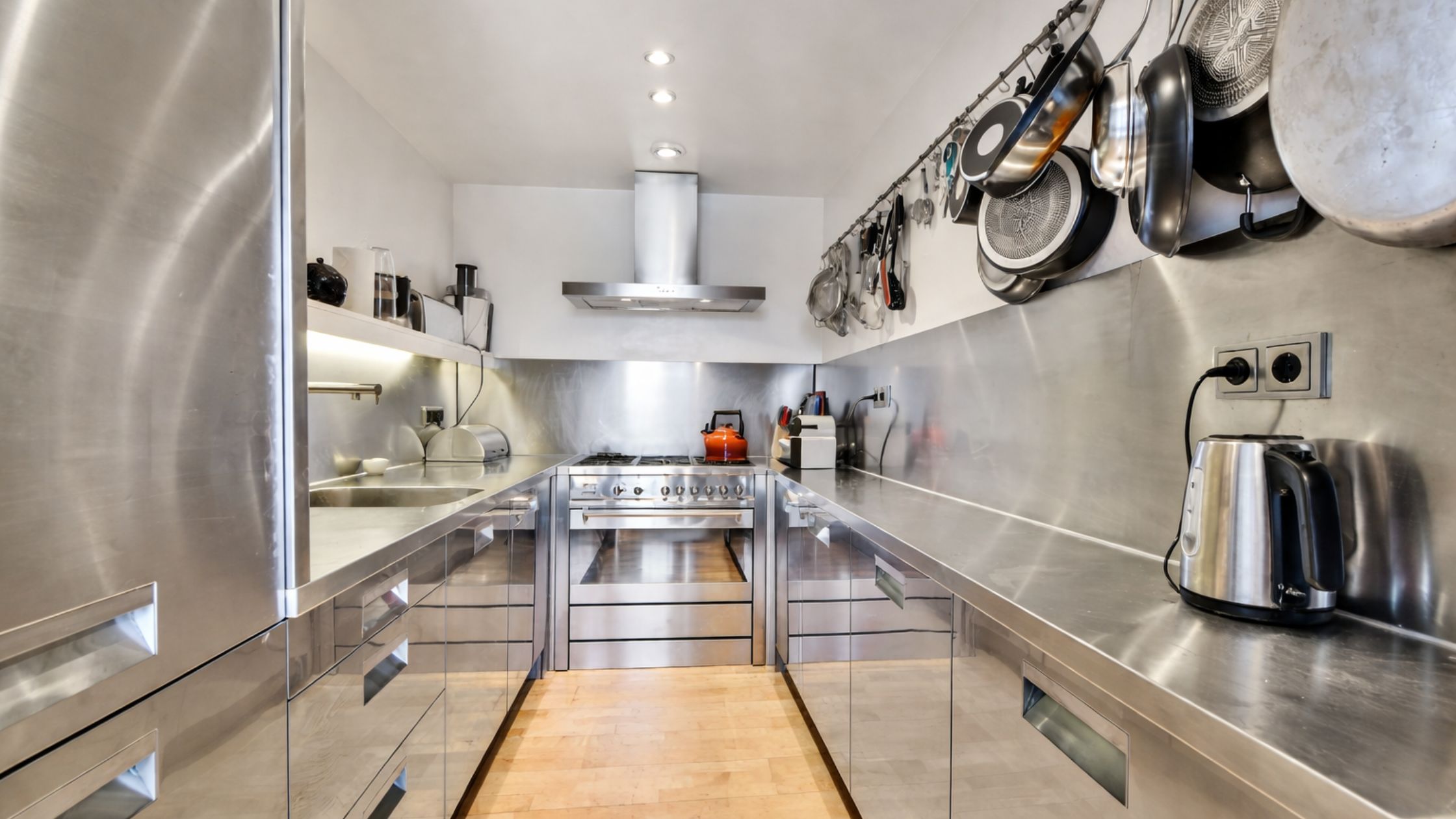
A steel kitchen is designed for everyday life. Its surfaces remain unaffected by steam, oil splashes, or heat from cooking appliances, making it ideal for frequent cooking.
Steel cabinets support advanced storage systems such as pull-out drawers, corner units, and tall pantry solutions. These features ensure better organization and easy accessibility.
The strength of steel allows built-in fixtures, shelves, and accessories that enhance efficiency. From organizing spices to storing heavy appliances, steel provides a resilient framework for daily use.
Investing in a steel kitchen offers long-term value. While the initial cost may be comparable to premium kitchen materials, the reduced need for repairs and replacements results in significant savings.
Steel does not require termite treatment, refinishing, or frequent maintenance. Its resistance to moisture, heat, and pests ensures durability for years.
Steel is also recyclable and environmentally friendly, supporting sustainable design practices that balance performance and environmental responsibility.
The Steel Kitchen symbolizes modern living — where durability, hygiene, and visual appeal come together seamlessly.
Steel kitchens are built to perform under daily demands while maintaining structural integrity and aesthetic charm. They provide homeowners the freedom to cook and enjoy their space without worrying about maintenance issues.
Ultimately, choosing a steel kitchen means embracing a lifestyle that values both form and function. It is not just an upgrade — it is a transformation of how we live, cook, and connect in the heart of the home.